Limbs Trimming in Allentown, PA
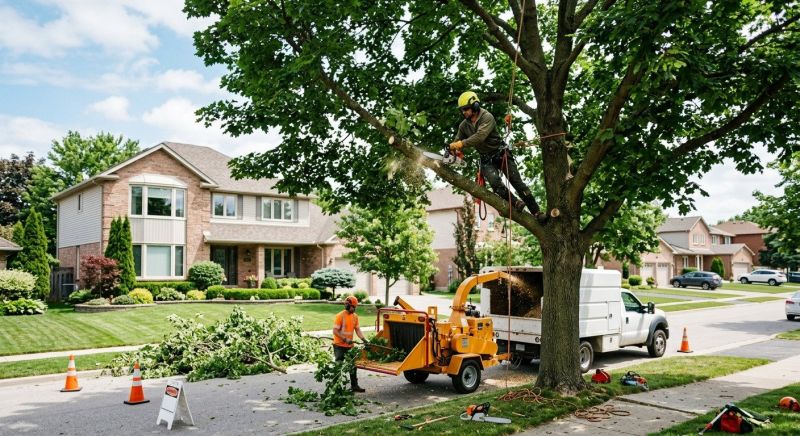
Limbs trimming services involve carefully reducing the size and shape of trees and shrubs to promote healthy growth, improve appearance, and ensure safety around the property. This service typically covers projects such as pruning overgrown branches, removing dead or diseased limbs, and shaping trees to prevent interference with structures or power lines. Homeowners often request limbs trimming to maintain their landscape’s aesthetic appeal, reduce the risk of falling limbs during storms, and support the overall health of their trees and plants.
Before requesting limbs trimming, property owners should consider the specific needs of their trees and the extent of trimming required. It’s helpful to understand the types of trees on the property, their growth patterns, and any particular concerns such as safety hazards or aesthetic preferences. Clarifying these details can ensure the trimming is performed effectively and in a manner that supports the long-term health and safety of the landscape.
Many property owners in Allentown, PA look into Limbs Trimming for repairs, replacements, upgrades, and appearance-related improvements.
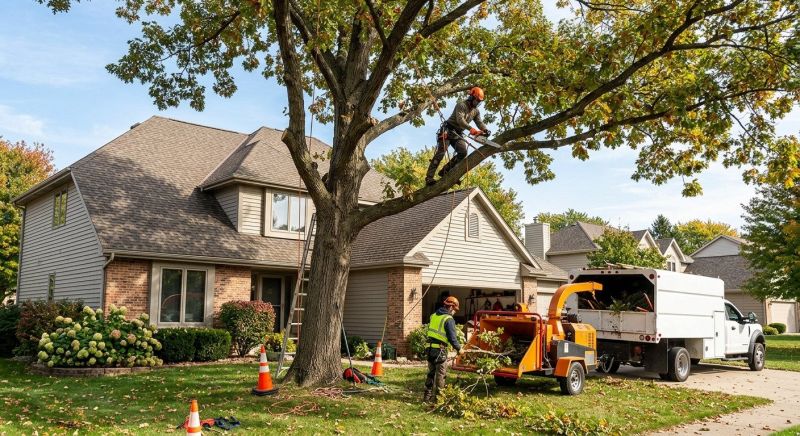
Tree Health And Safety
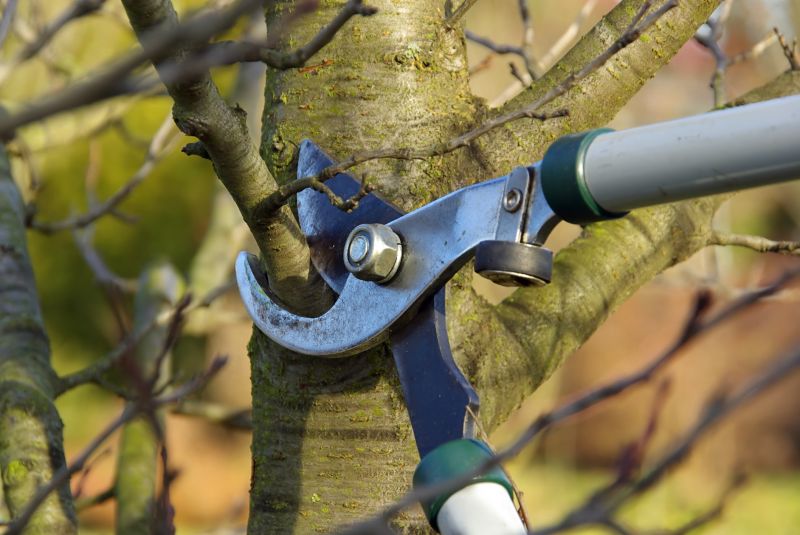
Proper limbs trimming helps maintain tree stability and reduces the risk of falling branches.
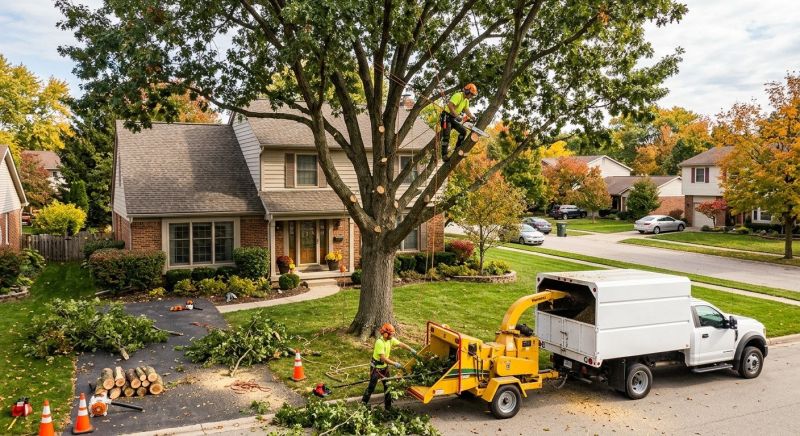
Aesthetic Improvement
Trimming enhances the appearance of trees and creates a more attractive landscape for properties in allentown.
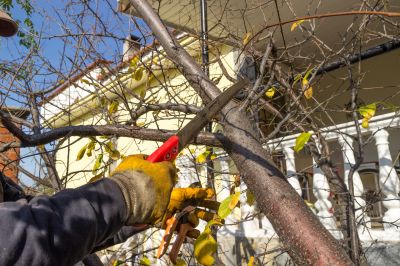
Property Protection
Removing overgrown or damaged limbs prevents potential damage to buildings, power lines, and other structures.
Limbs Trimming in Allentown, PA

Limbs trimming services involve carefully reducing the size and shape of trees and shrubs to promote healthy growth, improve appearance, and ensure safety around the property. This service typically covers projects such as pruning overgrown branches, removing dead or diseased limbs, and shaping trees to prevent interference with structures or power lines. Homeowners often request limbs trimming to maintain their landscape’s aesthetic appeal, reduce the risk of falling limbs during storms, and support the overall health of their trees and plants.
Before requesting limbs trimming, property owners should consider the specific needs of their trees and the extent of trimming required. It’s helpful to understand the types of trees on the property, their growth patterns, and any particular concerns such as safety hazards or aesthetic preferences. Clarifying these details can ensure the trimming is performed effectively and in a manner that supports the long-term health and safety of the landscape.
Many property owners in Allentown, PA look into Limbs Trimming for repairs, replacements, upgrades, and appearance-related improvements.
Common Limbs Trimming Jobs
Tree and shrub trimming - shaping and reducing the size of overgrown branches for healthier growth.
Hedge trimming - maintaining neat, uniform hedges to enhance curb appeal.
Fruit tree pruning - removing dead or diseased limbs to promote better fruit production.
Storm damage cleanup - trimming broken or hazardous limbs after severe weather events.
Seasonal trimming - preparing trees and shrubs for different times of the year to prevent damage.
Safety pruning - removing dead or weak branches to prevent potential hazards.
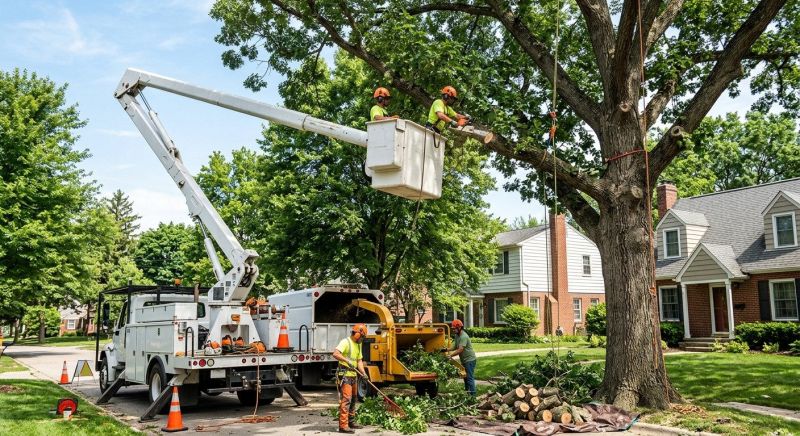
Limbs Trimming Questions
What types of limbs are typically trimmed? Limbs that are overgrown, damaged, or pose a risk to property are usually trimmed to maintain tree health and safety.
How often should limbs be trimmed? The frequency depends on the tree species and growth rate, but regular inspections help determine when trimming is needed.
Is limb trimming safe for trees? Proper trimming techniques help promote healthy growth and reduce risks, making it a safe practice when done correctly.
What benefits does limb trimming provide? Trimming improves tree appearance, reduces hazard potential, and encourages healthy development of the tree.
Request Limbs Trimming in Allentown, PA
Use the quote form on this page to share the basics of your project and request more information for the type of work you need.